
Every shirt has an architecture.
Strip away colour and pattern and a formal shirt is a set of engineered parts: a collar and band, a yoke, a placket, two sleeves, two cuffs and a hem. Each has variations, and each variation changes how the shirt looks, feels and is worn. This is a drawing set for reading them.
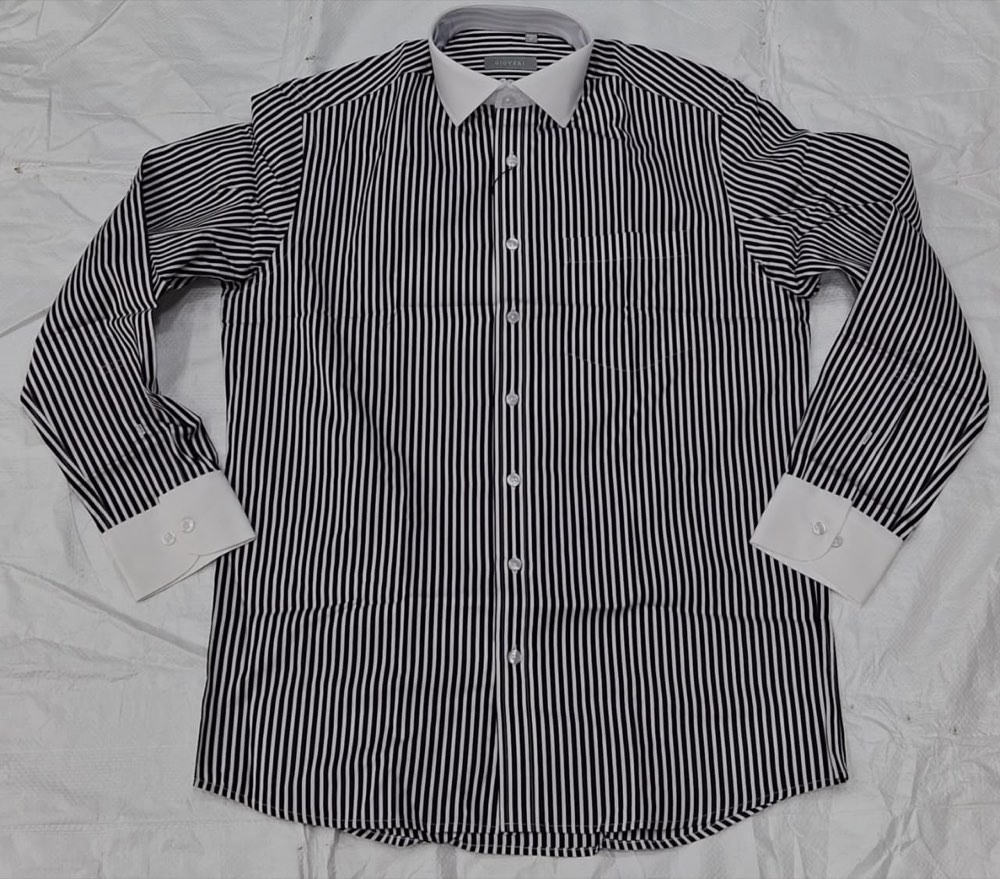
S-01 · Collars
Collars: proportion at the throat.
Every collar is described by three measurements — the spread between its points, the length of the points, and the height of the band that lifts it around the neck. Change any one and the shirt's character changes with it. Taller bands and longer points read as more formal; lower bands sit more casually and suit open necks.
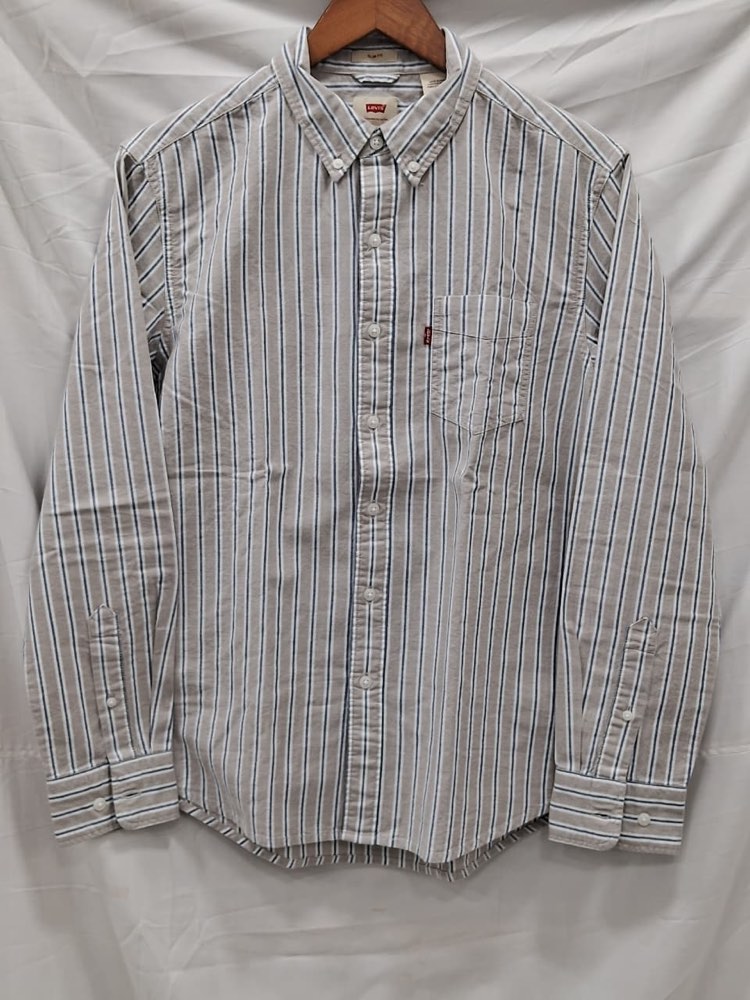
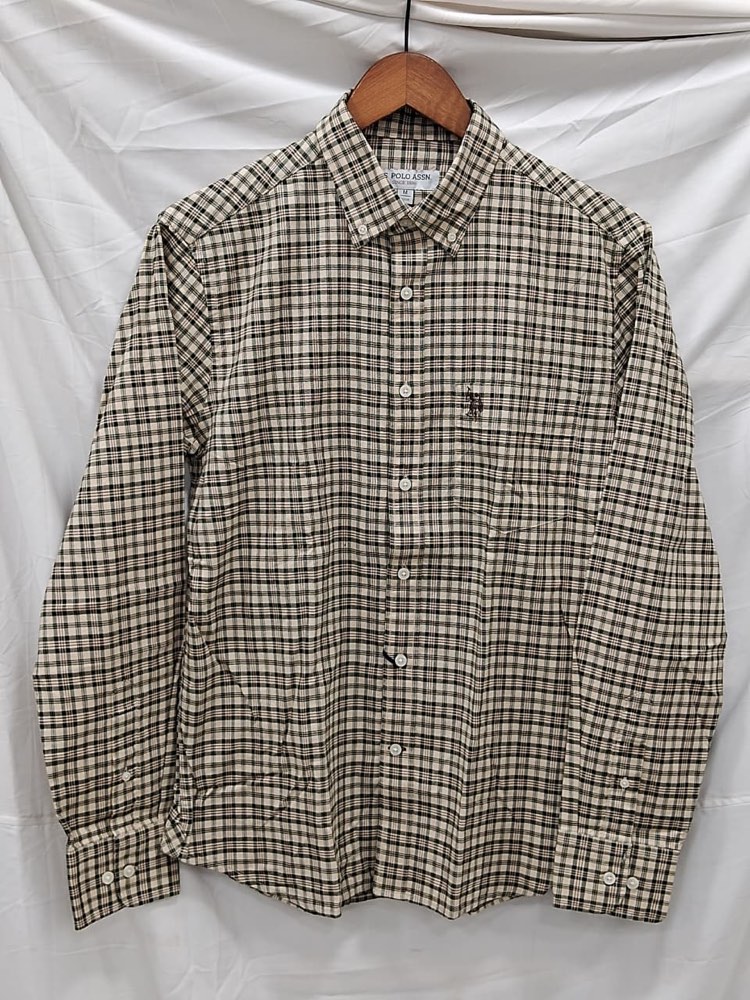
| Collar | Spread | Points | Tie knot | Worn open? | Best for |
|---|---|---|---|---|---|
| Classic | Medium | Medium | Most knots | Acceptable | Everyday office wear; the safe default. |
| Point | Narrow | Long | Four-in-hand | Points can splay | Traditional business; rounder faces. |
| Semi-spread | Moderate | Medium | Four-in-hand, half-Windsor | Yes — holds shape | The most versatile; office to evening. |
| Spread | Wide | Medium-short | Half-Windsor, Windsor | Yes | Suits and boardrooms; longer faces. |
| Cutaway | Very wide | Short | Full knots only | A deliberate look | Fashion-forward formal; slim faces. |
| Button-down | Medium | Long, buttoned | Slim or knitted | Ideal | Business-casual; the tie-optional day. |
Collar band
The band is the strip that wraps the neck beneath the fold. A taller band lifts the collar above a jacket lapel; a lower band feels relaxed. One finger should slide comfortably inside a buttoned band.
Interlining
A layer inside the collar gives it body. Firmer interlinings keep a crisp line under a tie; softer ones roll naturally when worn open. Neither is "better" — they serve different shirts.
Collar stays
Some formal collars carry slim removable stays on the underside of the points to keep them straight. Remove them before washing and ironing so they don't mark the cloth.
S-02 · Cuffs
Cuffs: the full stop at the wrist.
The cuff is the detail people notice when you gesture, shake hands or reach across a table. Its shape, height and fastening carry real signals about formality — from the everyday barrel to the ceremonial French cuff.
-
C-01
Single-button cuff
One button closes a straight band. Clean and minimal, it sits neatly under a jacket sleeve and suits the widest range of shirts.
Use: daily office wear, slim-fit shirts.
-
C-02
Two-button cuff
A taller cuff with two vertical buttons. It frames the wrist more strongly and reads as slightly dressier and more traditional.
Use: business formal, classic suits.
-
C-03
Barrel cuff
The family name for any cuff that overlaps and buttons — rounded, square or mitred at the corners. A second, adjustable button lets you tighten the fit around a slimmer wrist.
Use: the standard for formal shirting.
-
C-04
French cuff
A long cuff folded back on itself and closed with cufflinks rather than buttons. It is the most formal cuff and the natural partner of a white or pale shirt.
Use: weddings, ceremonies, black-tie, high-stakes days.
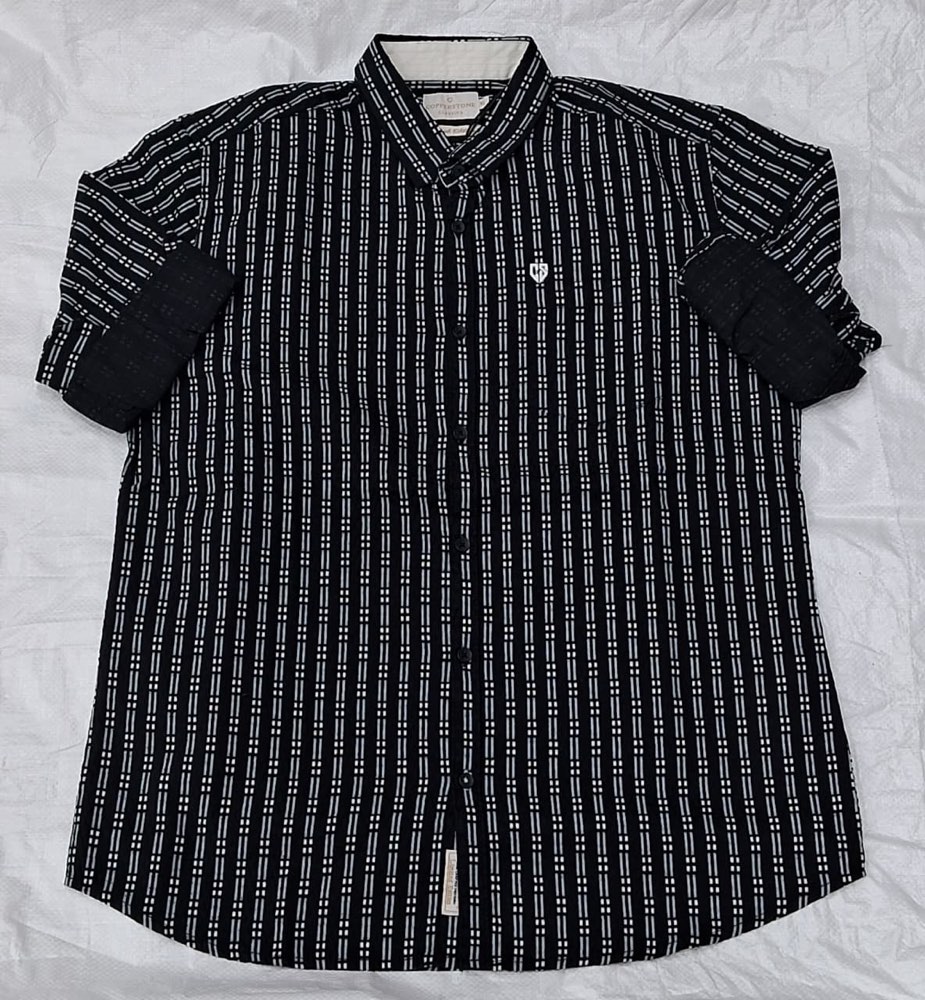
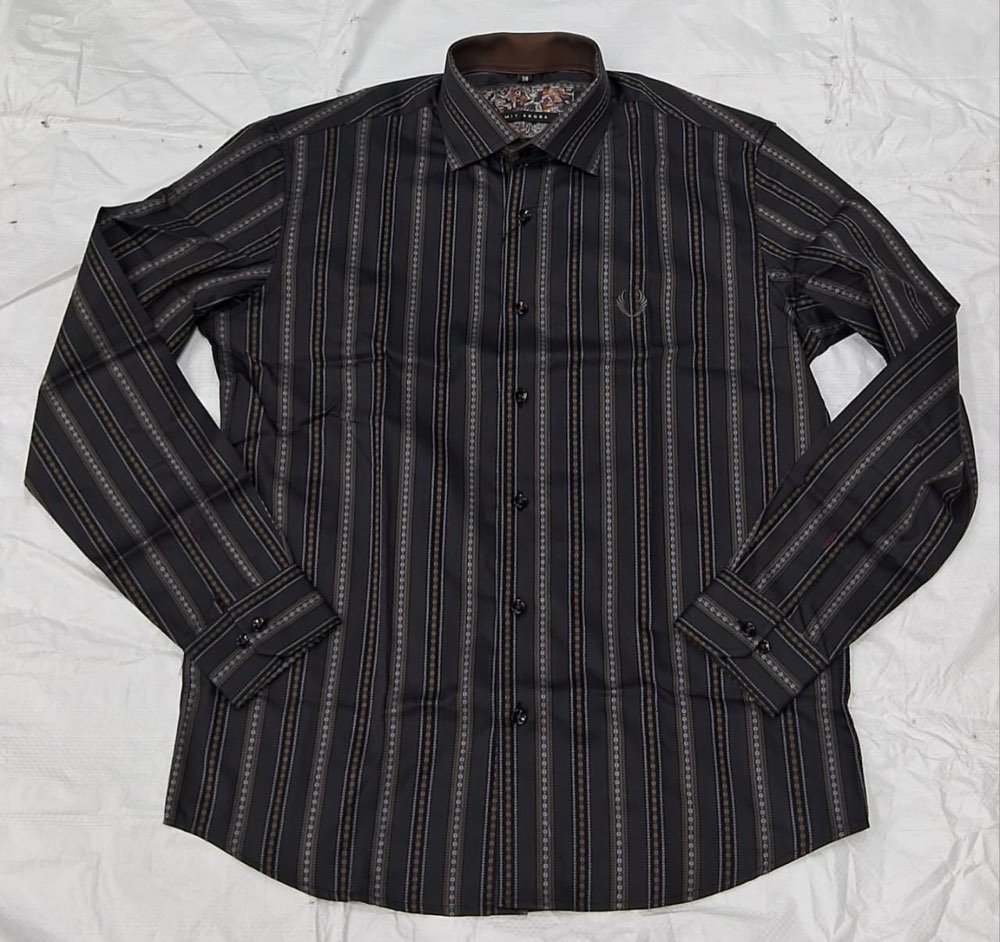
Contrast facings inside the cuff or collar band are a contemporary touch — visible only when a sleeve is rolled or a collar opened. They suit smart-casual and contemporary shirts more than strict business dress. A practical rule for every cuff: it should be wide enough to slide over a watch, and end at the wrist bone when your arms hang naturally.
S-03 · Plackets
Plackets: the spine of the shirt.
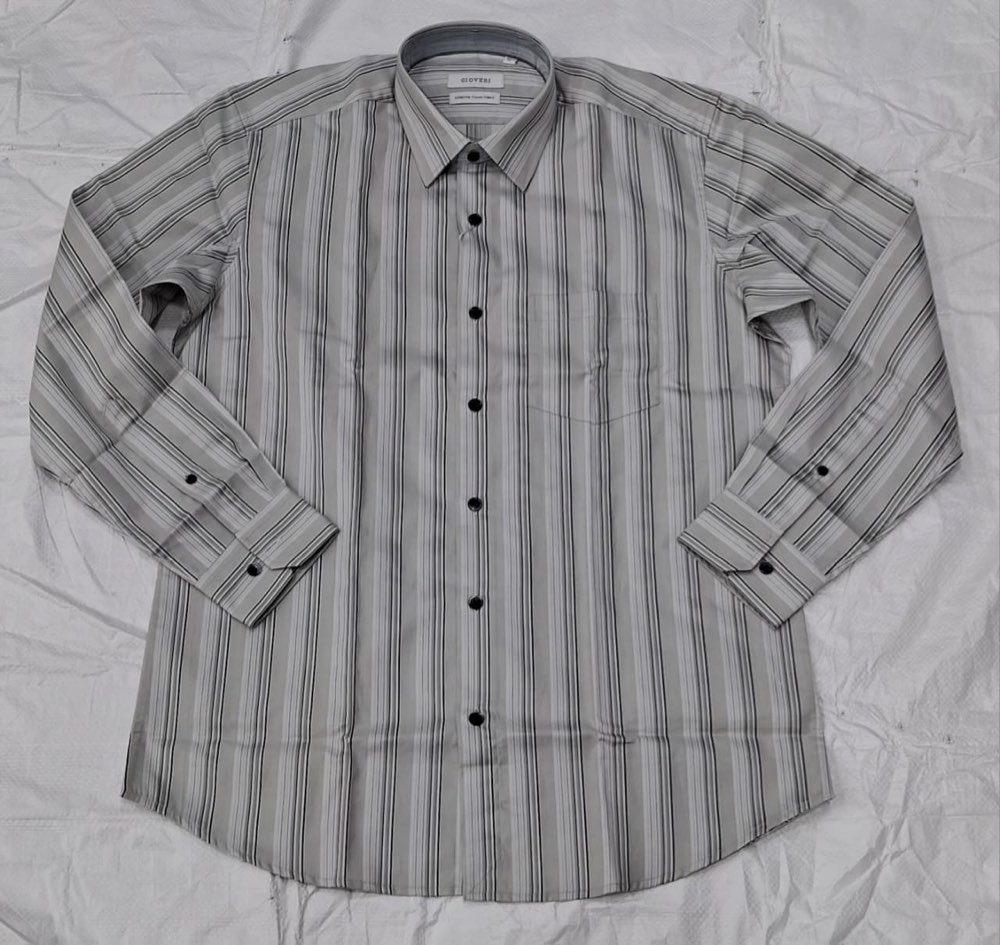
The placket is the reinforced opening that carries the buttonholes down the front. It forms the strongest vertical line on a shirt — so its width and construction quietly decide how formal, minimal or sharp the front looks.
-
P-01
Standard front placket
A separate strip of cloth, usually around three centimetres wide, stitched down both edges. It gives the front a crisp, structured line and keeps the buttonholes firm.
Character: classic, structured, universally formal. The default on most business shirts.
-
P-02
French front
No separate strip: the front edge is simply folded under and pressed, leaving a smooth, uninterrupted surface. The buttons appear to sit directly on the shirt.
Character: minimal, refined, slightly dressier. Beautiful under a suit and with fine solids.
-
P-03
Covered placket
A flap of fabric conceals the buttons entirely, so the front reads as one clean plane. Sometimes called a fly front or hidden placket.
Character: sleek, architectural, evening-ready. Pairs well with dinner suits and minimal styling.
S-04 · Pockets
Pockets: function versus formality.
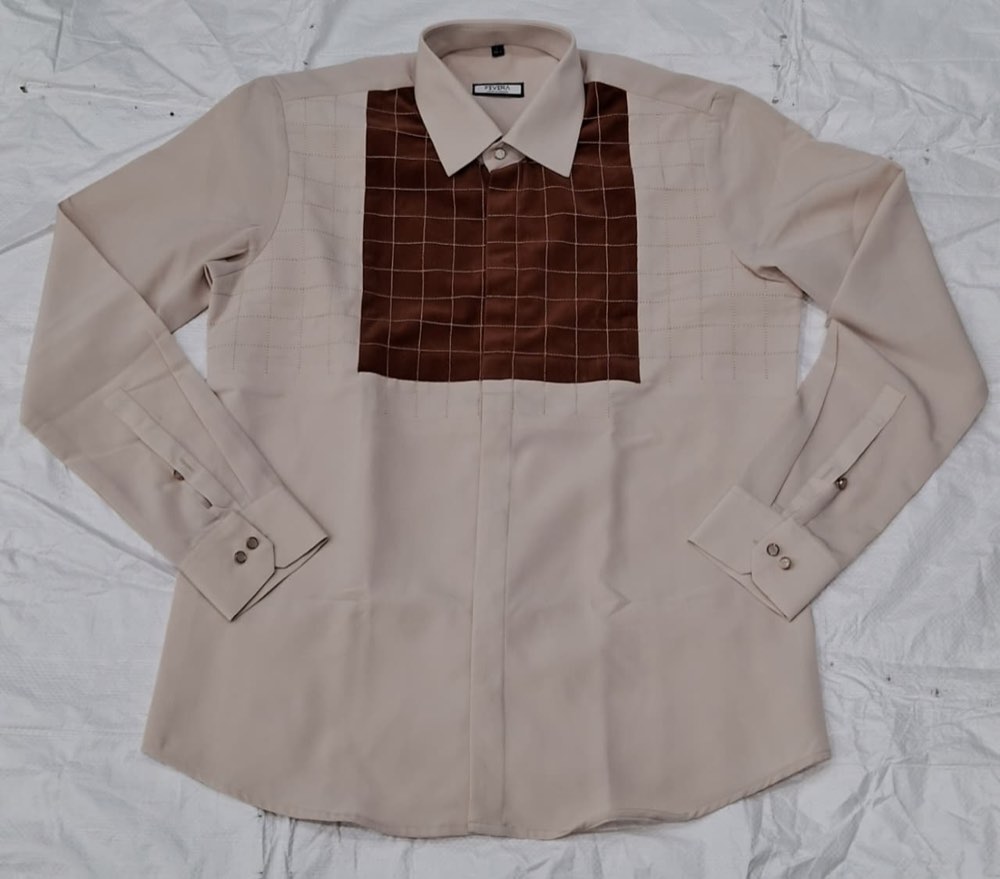
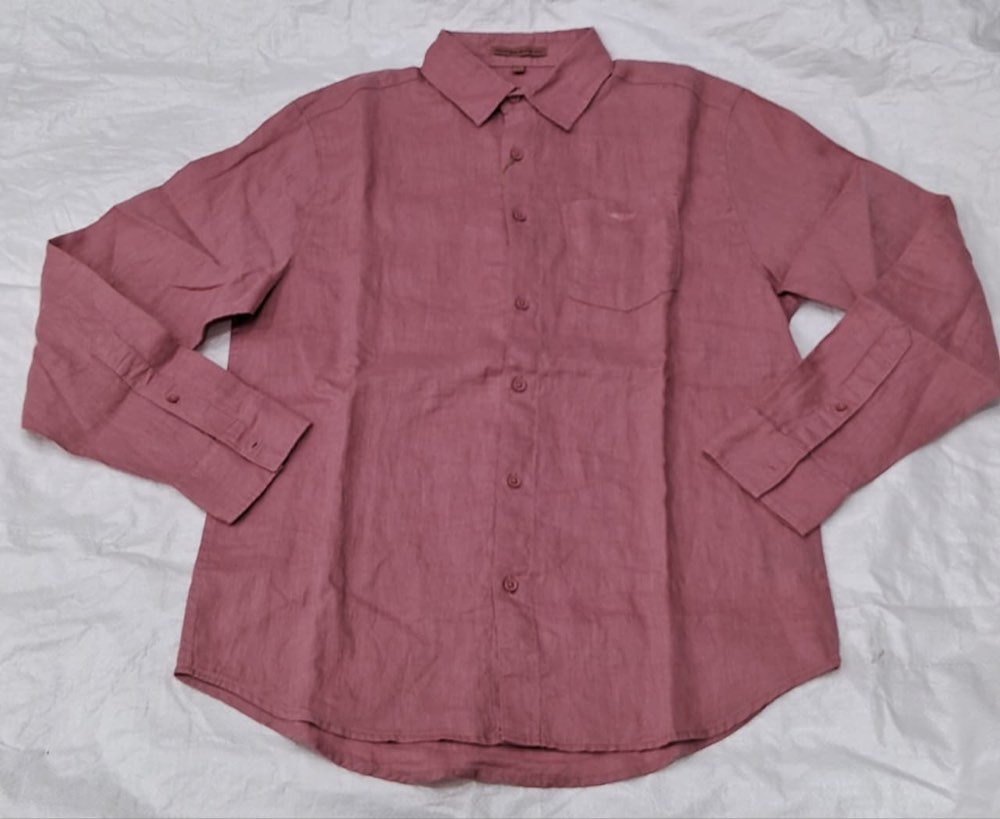
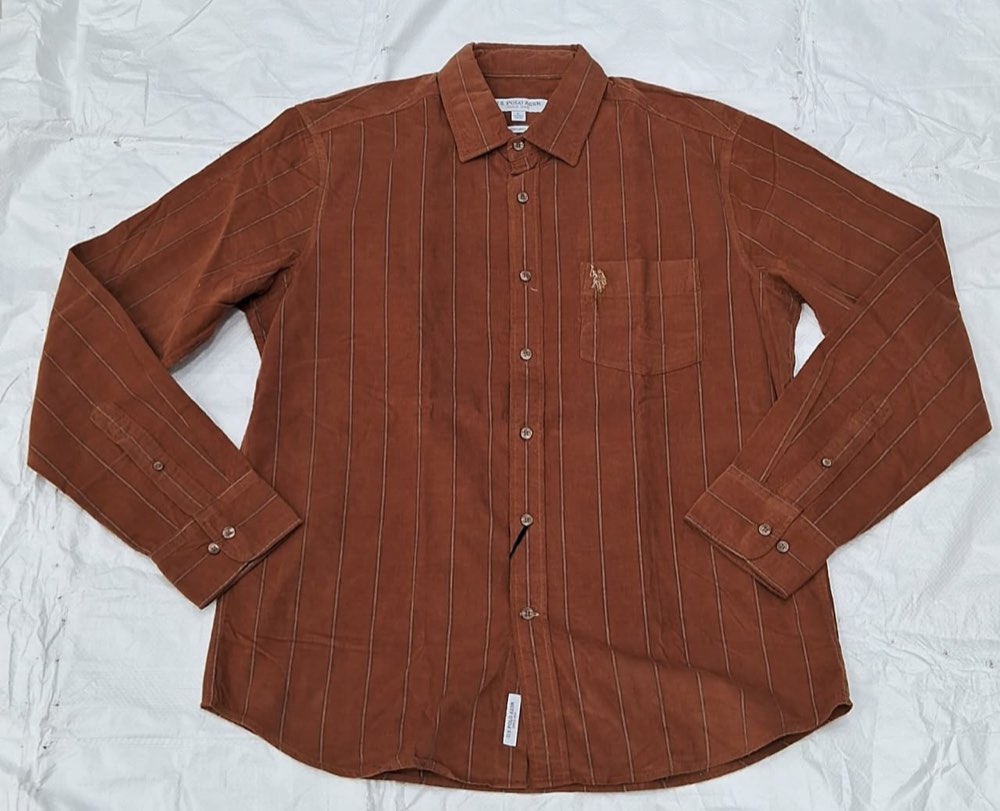
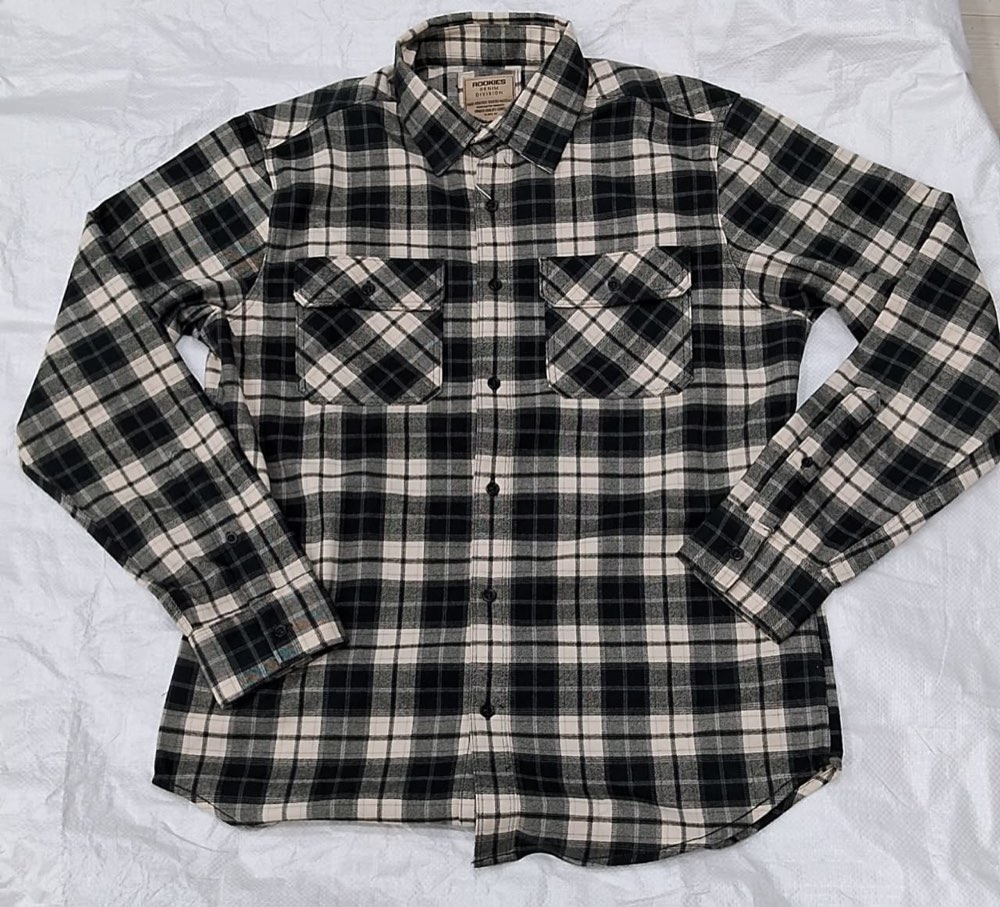
The more formal the shirt, the fewer pockets it has. A clean chest is the most formal; a single patch pocket is the practical office compromise; twin flap pockets belong firmly to casual and utility shirts.
Rounded
Soft curved base. Common on formal and office shirts; unobtrusive.
Angled / pointed
A mitred or pointed base adds a slightly sharper, sartorial edge.
Square
Plain and graphic. Reads modern on solids; workmanlike on heavier cloth.
Flap
Buttoned flaps belong to utility and casual shirts — rarely to business dress.
No pocket, or one small, neatly set patch pocket on the left chest, with any pattern matched across it. Keep it empty under a jacket so the line stays smooth.
Two pockets, flaps, buttons and visible topstitching. Lovely on weekend and utility shirts; out of place with a tie.
S-05 · Yoke construction
The yoke: where the shirt hangs from.
The yoke is the panel that runs across the top of the back, joining front to back at the shoulders. The whole shirt hangs from it, so it determines how the garment sits across your shoulder blades and how freely you can reach forward.
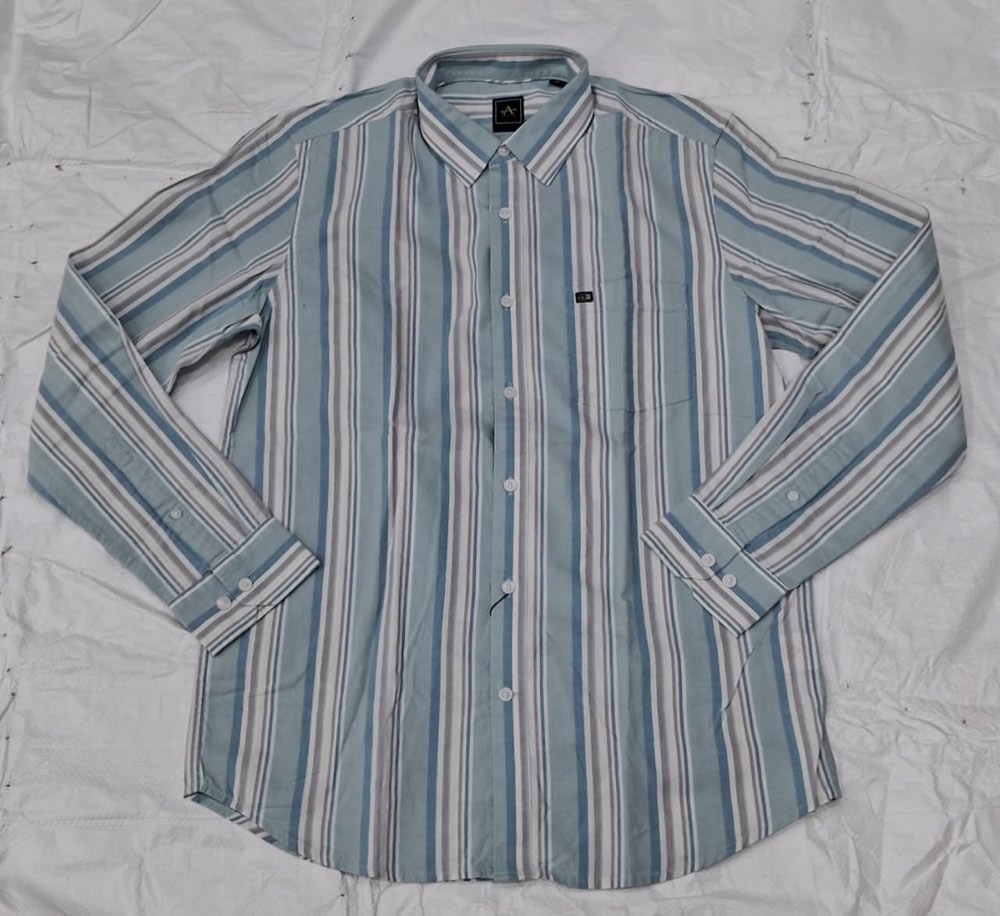
- One-piece yokeA single panel across the back. Clean and simple, standard on most shirts.
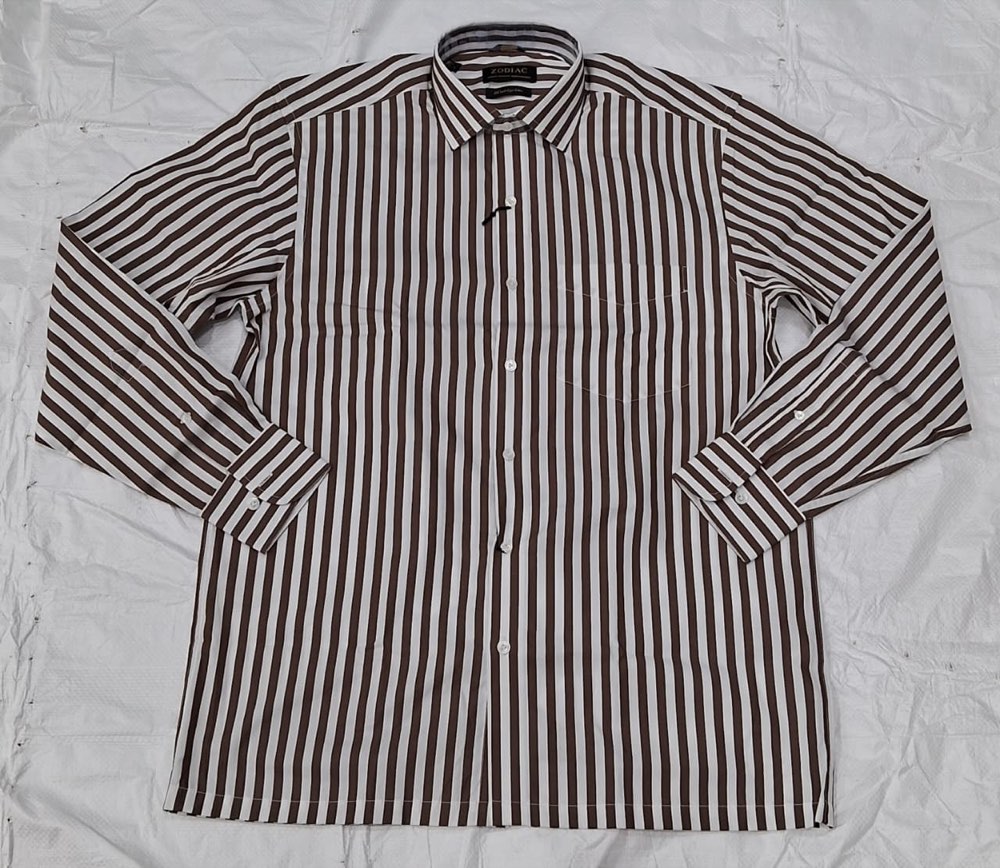
- Split yokeTwo panels joined at the centre back, allowing each side to be shaped to the shoulder slope. On striped shirts the stripes meet in a subtle chevron.
- Back pleatsBox or side pleats below the yoke add room to move — useful on regular fits; slim fits often use darts instead.
S-06 · Buttons & stitching
Small parts, outsized signals.
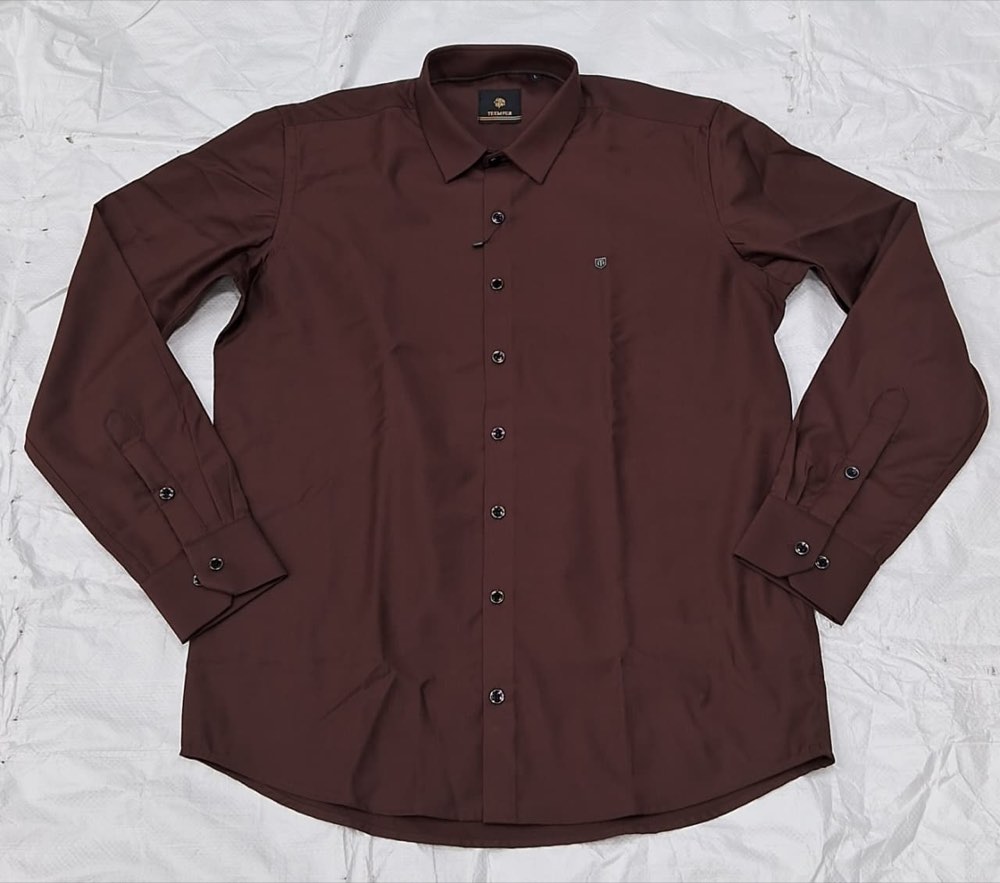
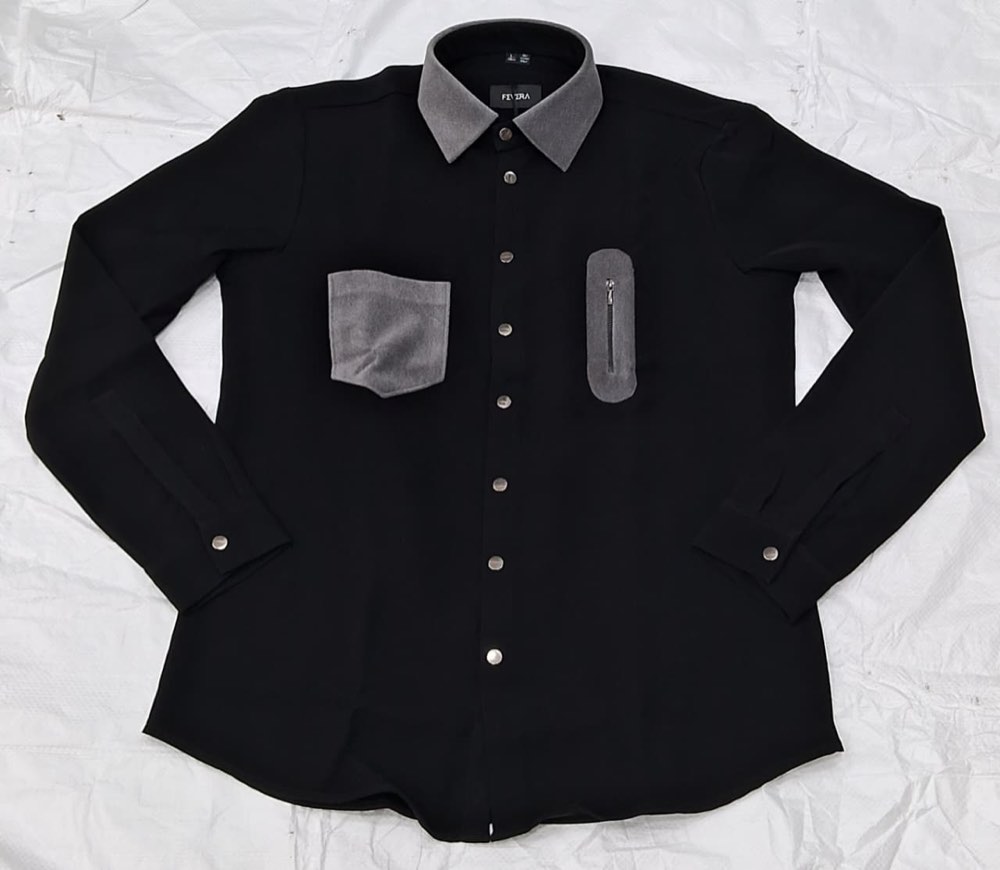
Buttons are touched every time you dress and seen every time you speak. Their material, thickness and colour, how securely they are sewn, and how evenly they are spaced all tell the eye whether a shirt has been made with care.
- Mother-of-pearl
Natural shell with a soft, shifting lustre. The classic choice for fine formal shirts.
- Resin & polyester
Durable, consistent and available in every colour — the most common shirt button.
- Horn & corozo
Natural materials with organic grain, more often found on heavier or casual shirts.
- Contrast buttons
Dark buttons on light shirts, or light on dark, bring a contemporary accent. Keep them subtle for business.
Stitching. Short, dense stitches along the collar, cuffs and side seams lie flatter and hold better through washing; you can see the difference by looking closely at the collar edge. Buttons should be sewn firmly — ideally cross-stitched — and spaced evenly so the placket doesn't open between them when you sit. Spare buttons sewn inside the shirt are a thoughtful practical detail.
S-07 · Hemlines
Hemlines: tucked or untucked, decided in advance.
Shirt-tail hem
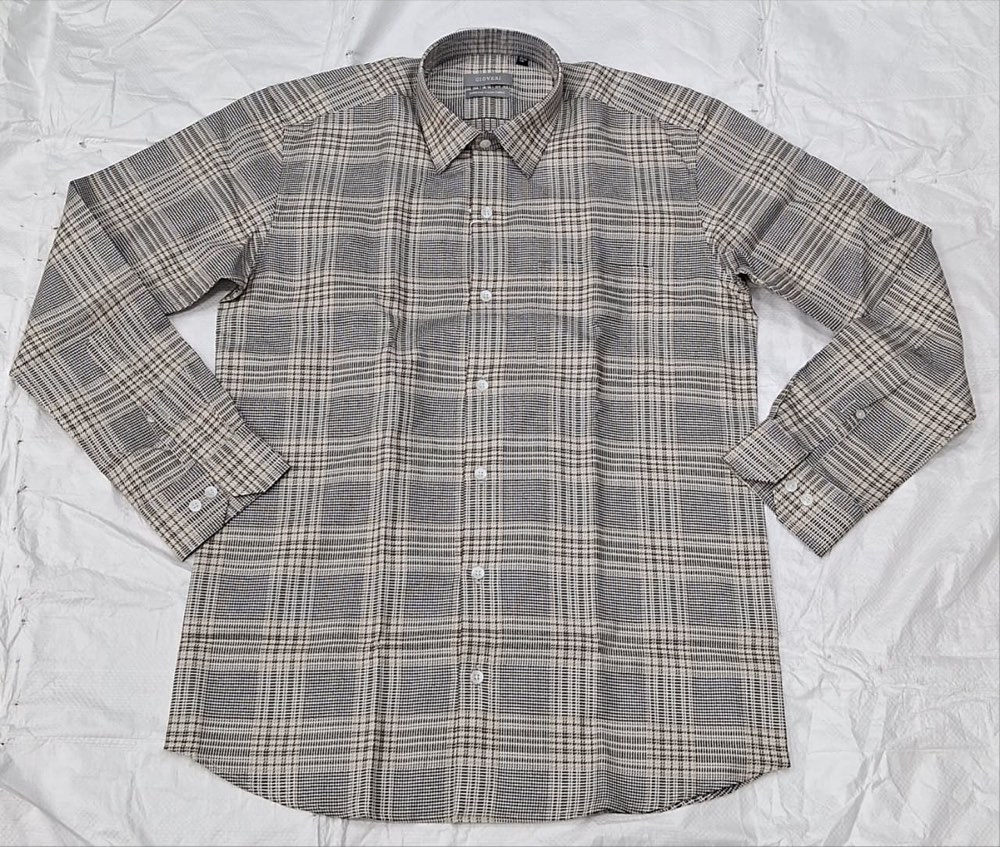
Curved, with longer front and back panels and higher sides. The extra length stays anchored in the trousers when you sit, reach and stand — this is the hem of the formal shirt, designed to be tucked.
Straight hem
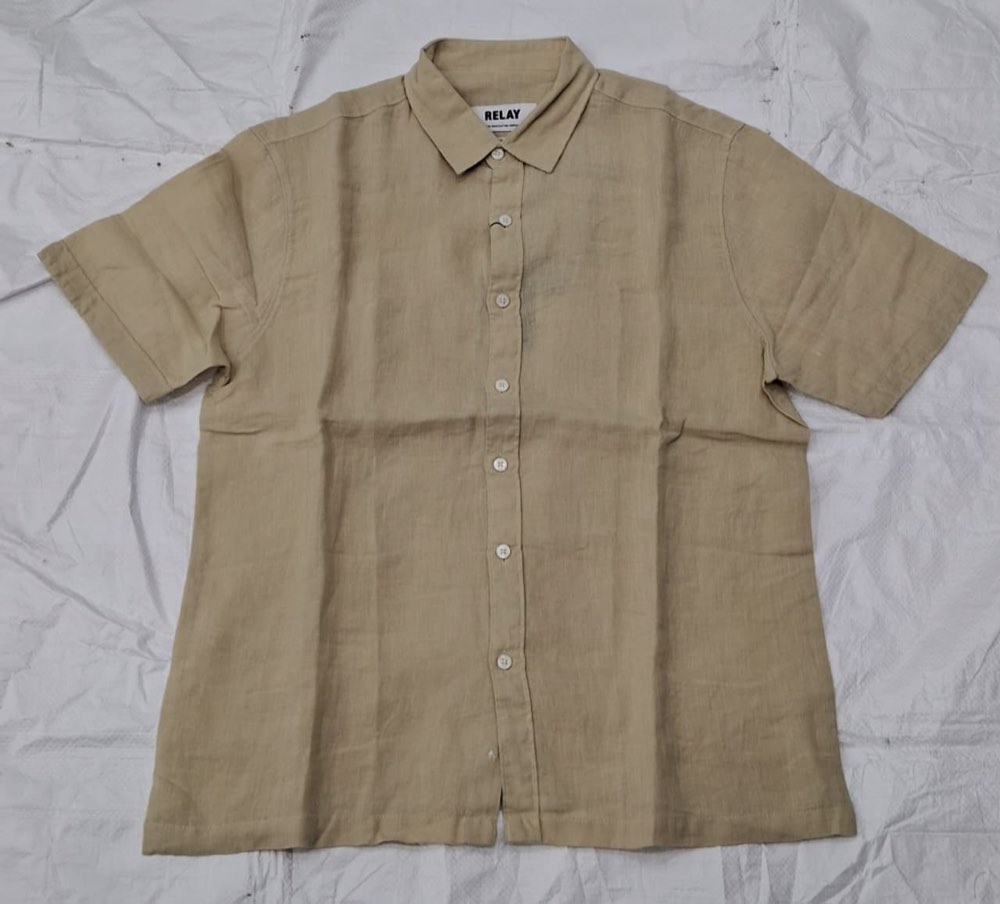
Level all round, often with small side vents. Designed to be worn untucked, it suits shorter casual shirts and half-sleeve shirts for warm weekends — but looks unfinished when forced into trousers.
If the shirt ends below the middle of your trouser fly when untucked, it was made to be tucked in.